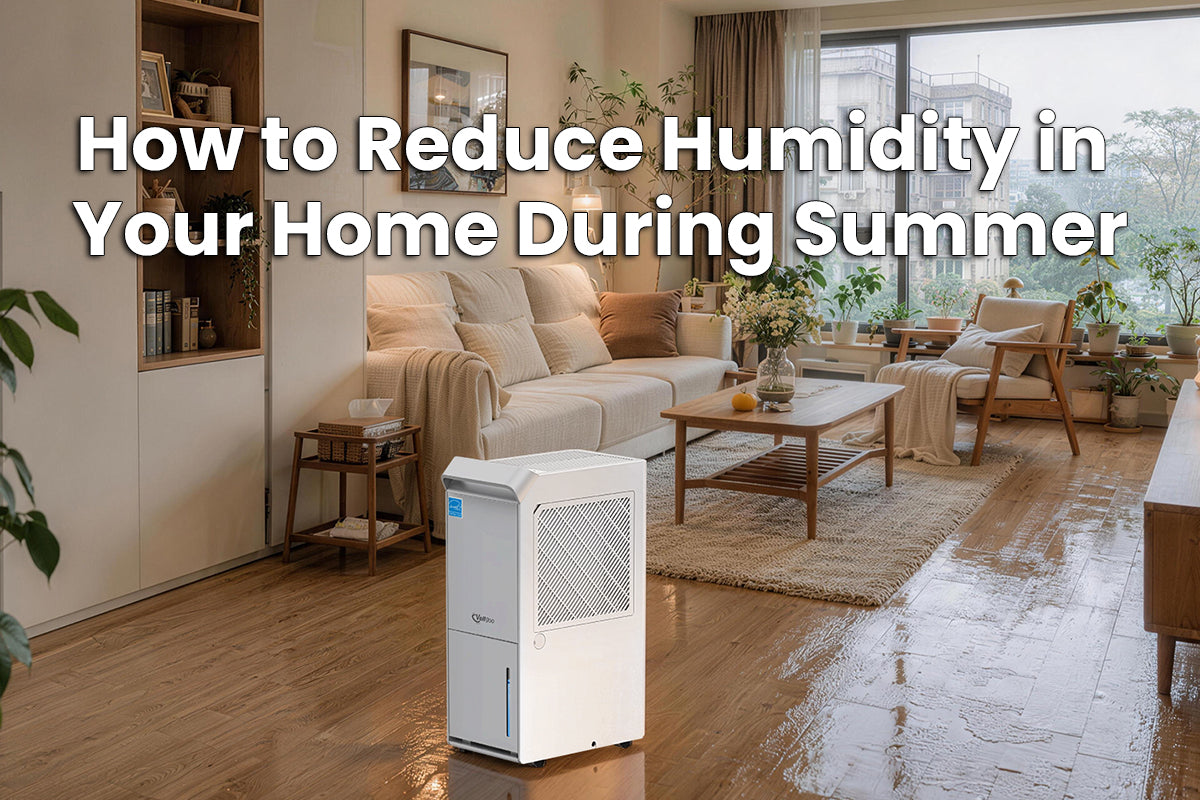
High indoor humidity occurs when relative humidity exceeds 60%, creating an environment that feels sticky, encourages mold growth, and can damage your home’s structure and air quality.
- Ideal indoor humidity: 40%–60%
- High humidity: above 60%
- Danger zone: above 70%
When summer heat arrives, most people focus on temperature. However, high humidity in house environments can be even more damaging than heat alone. It affects your comfort, health, and even the long-term durability of your home.
What Is Considered High Indoor Humidity?
Humidity is measured as Relative Humidity (RH), which indicates how much moisture is in the air compared to the maximum it can hold.
- 40%–60%: Optimal comfort and healthy indoor air
- Above 60%: High humidity, noticeable discomfort
- Above 70%: Risk zone for mold and mildew growth
Once humidity exceeds 60%, dust mites multiply faster, and indoor air becomes heavier and harder to cool efficiently.
What Happens If Humidity Is Too High in Your Home?
1. Health Problems
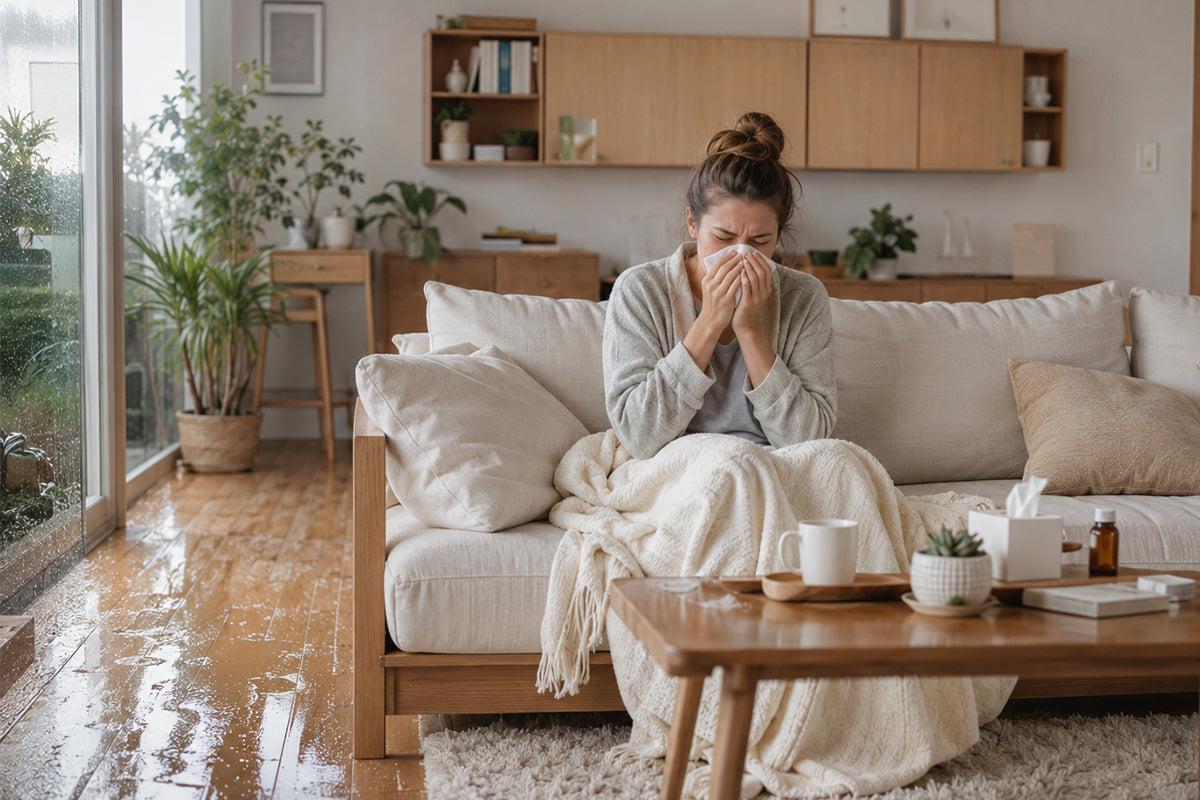
High humidity reduces the body’s ability to cool itself through sweat evaporation, leading to fatigue, overheating, and poor sleep quality. It also encourages mold spores and dust mites, which can worsen asthma and allergies.
2. Damage to Your Home
Excess moisture can seep into wood, drywall, and ceilings, causing warping, peeling paint, and long-term structural damage. Electronics may also suffer from internal corrosion.
3. Damage to Furniture and Belongings
Clothing, books, mattresses, and furniture absorb moisture, leading to odor, staining, and material degradation over time.
Why Is Your House So Humid in Summer?
High indoor humidity during summer is usually caused by a combination of outdoor conditions and indoor activities:
- Hot outdoor air: Warm air holds more moisture and enters through doors and small leaks
- Daily activities: Cooking, showering, and laundry release large amounts of vapor
- Air conditioning issues: Short-cycling AC systems fail to fully remove moisture from the air
Where Does Humidity Build Up in a House?
Humidity is not evenly distributed. Certain areas are more vulnerable:
Basement
Cool underground walls cause condensation, making basements one of the most humid areas in a home.
Bathroom & Kitchen
Steam from showers and cooking significantly increases local humidity levels.
Attic & Crawl Spaces
Poor ventilation traps heat and moisture, which may spread to other parts of the house.
How to Tell If Your Home Has High Humidity
You can use a hygrometer, but your home may also show clear signs:
- Condensation on windows
- Musty or damp odor
- Sticky or clammy feeling indoors
- Peeling paint or wall discoloration
How to Reduce Humidity in Your Home
- Use exhaust fans: Run during and after cooking or showering
- Fix leaks: Repair plumbing and seal windows/doors
- Optimize AC settings: Use “Auto” mode instead of constant fan
- Improve ventilation: Allow airflow in closed spaces
Best Long-Term Solution for High Humidity
While short-term fixes help, the most effective long-term solution is a high-efficiency dehumidifier. Air conditioners alone are not designed for moisture control—they primarily focus on temperature.
For consistent humidity control, a dedicated system is the most reliable option for maintaining indoor comfort and preventing mold growth.
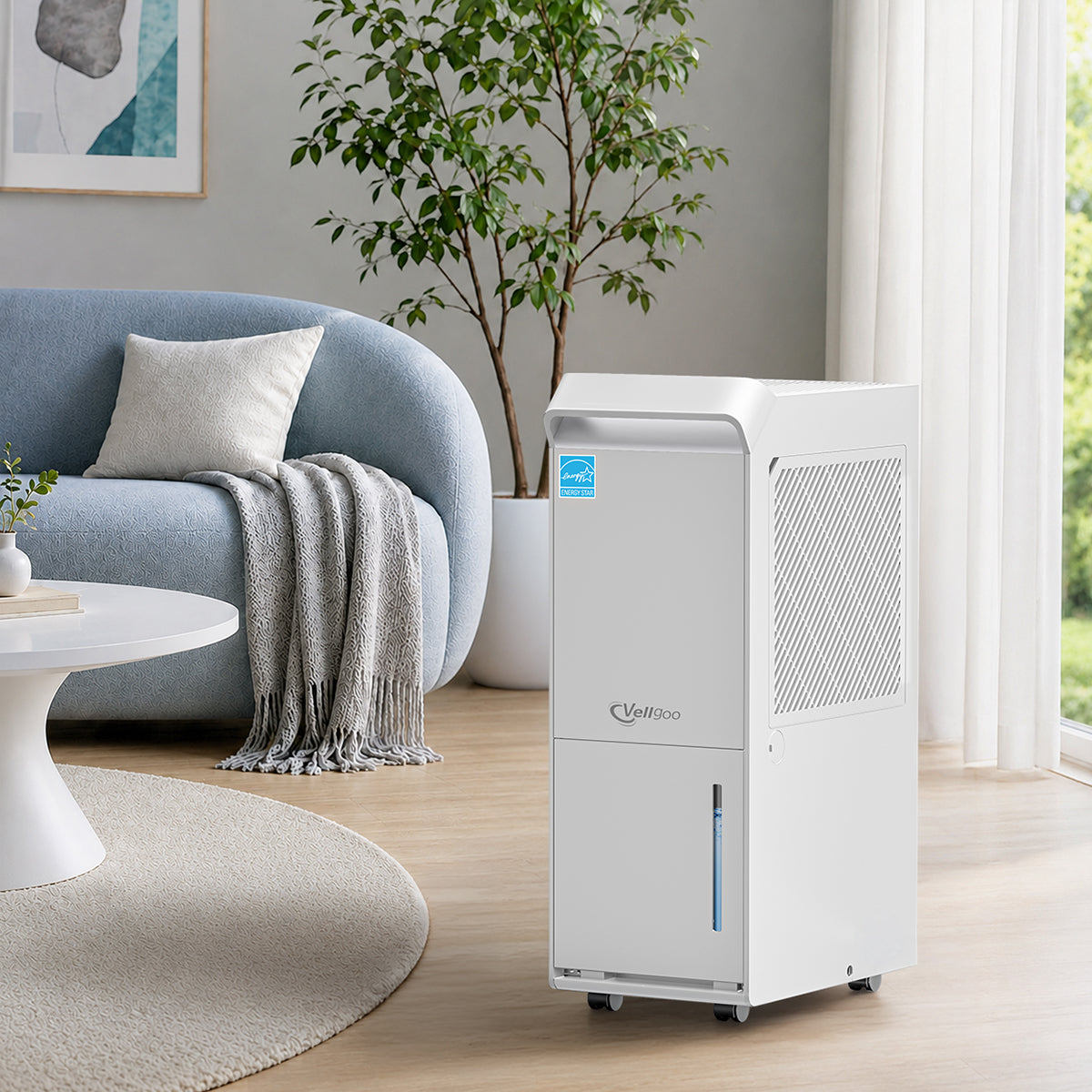
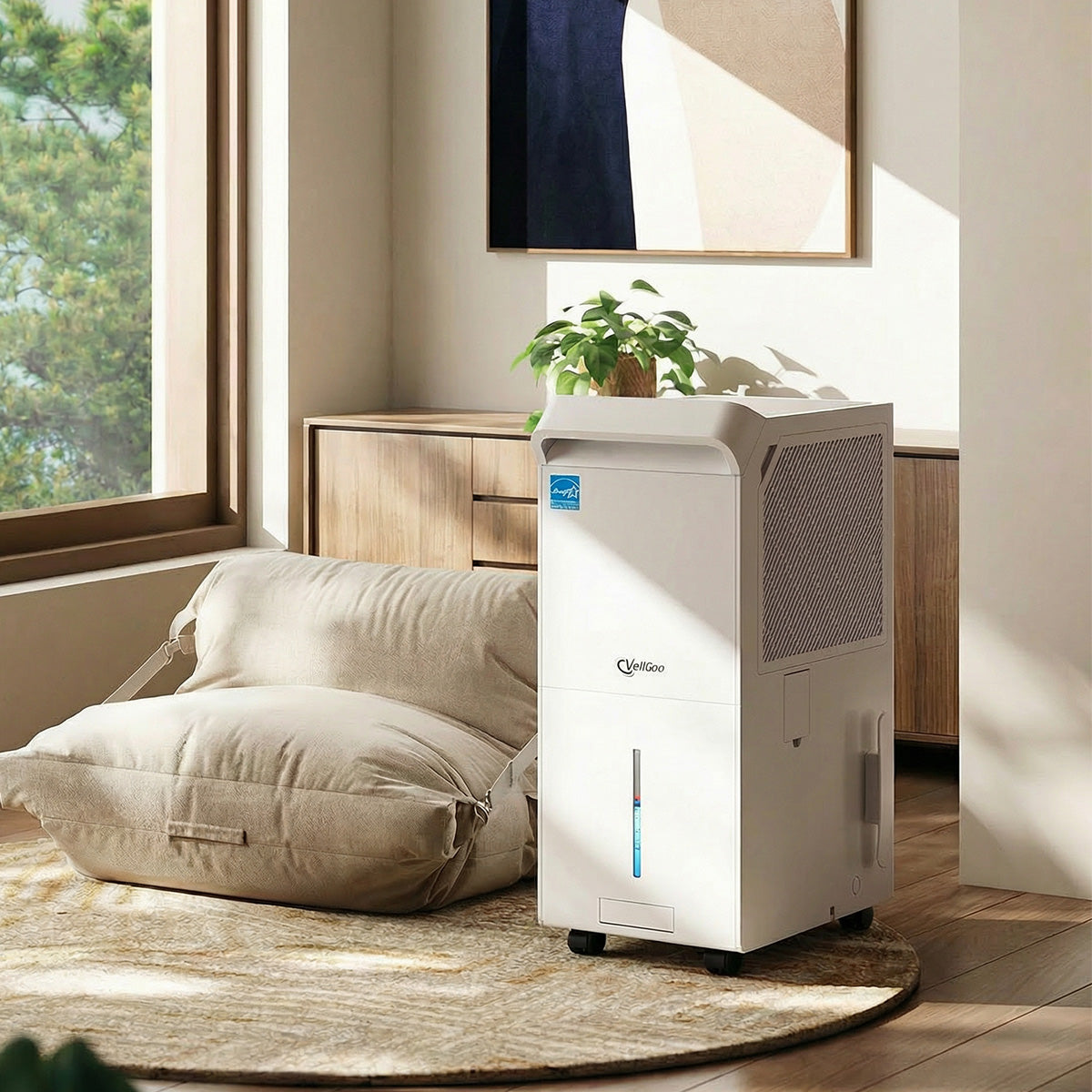
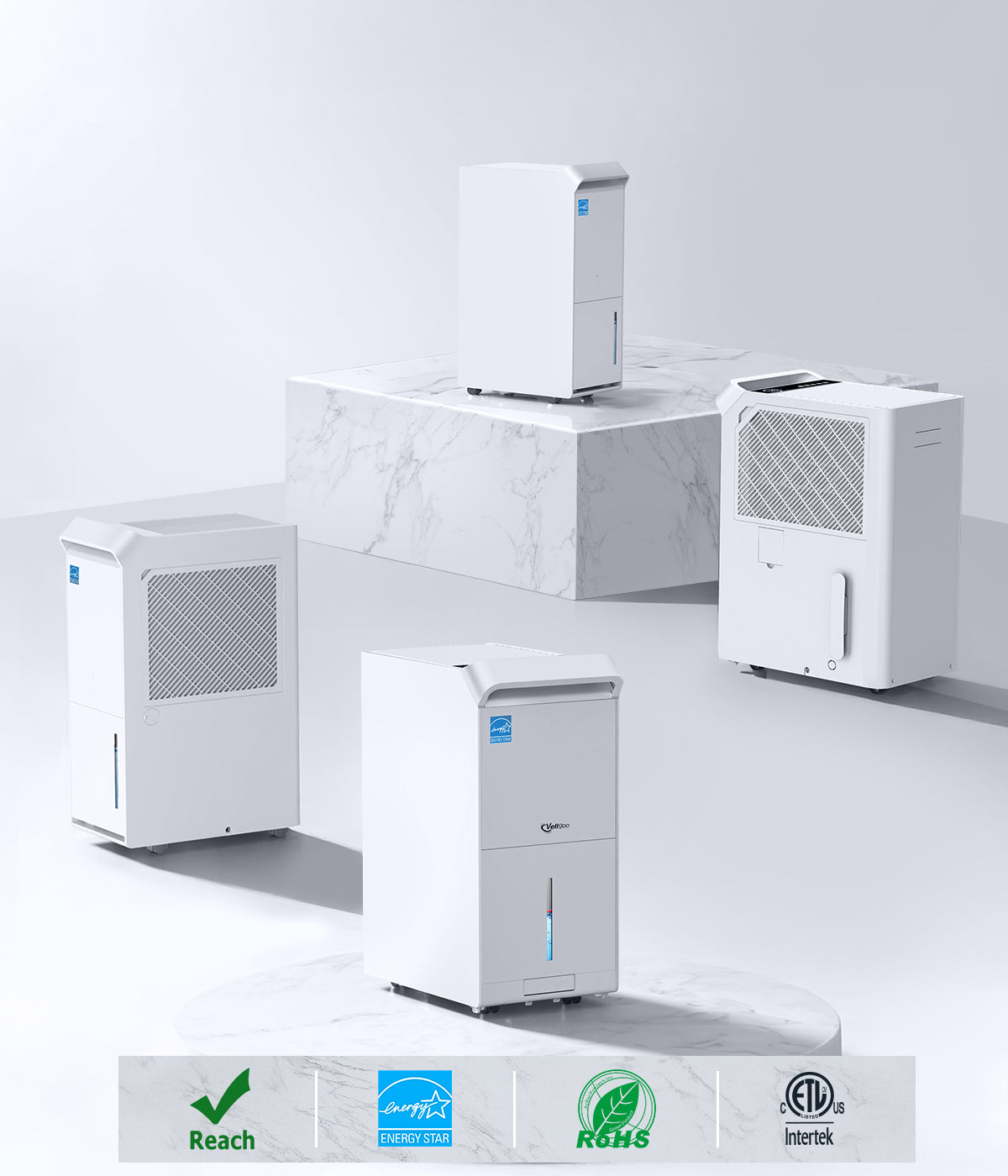
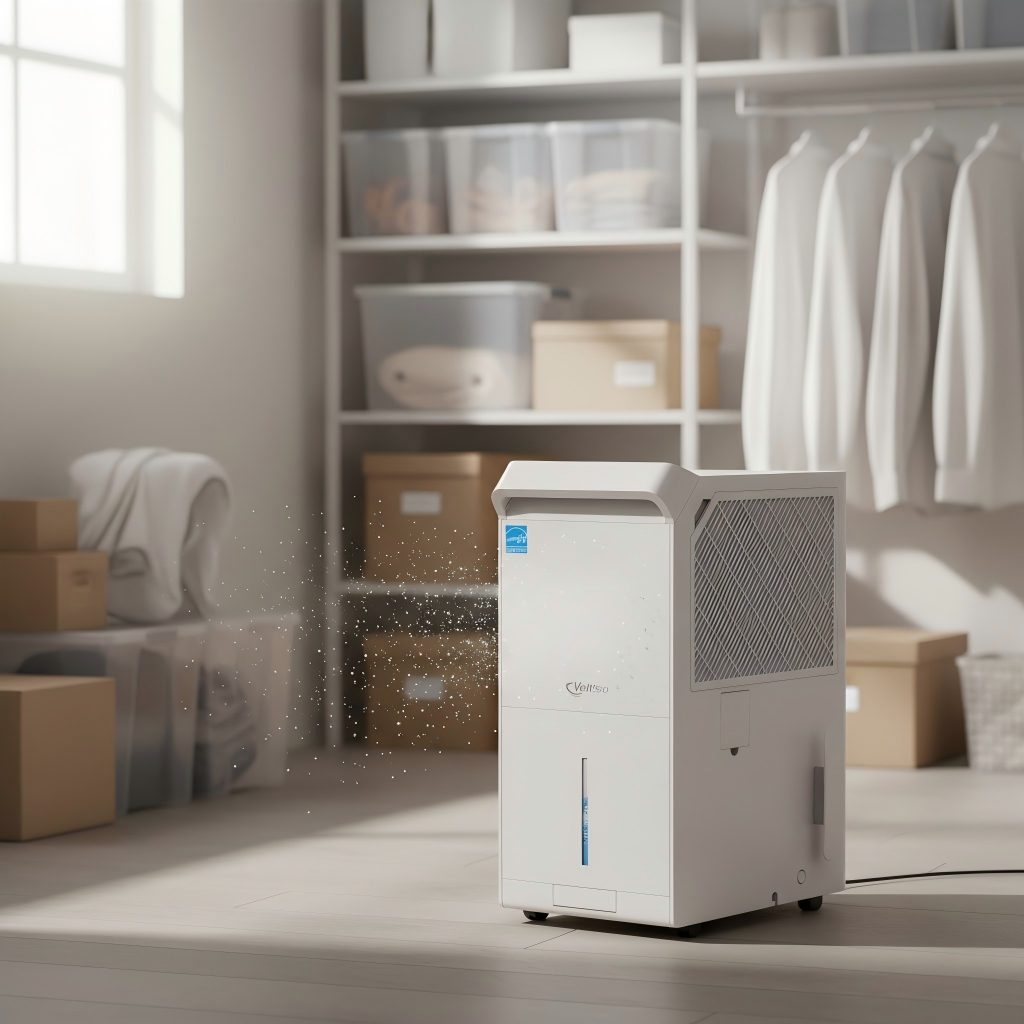
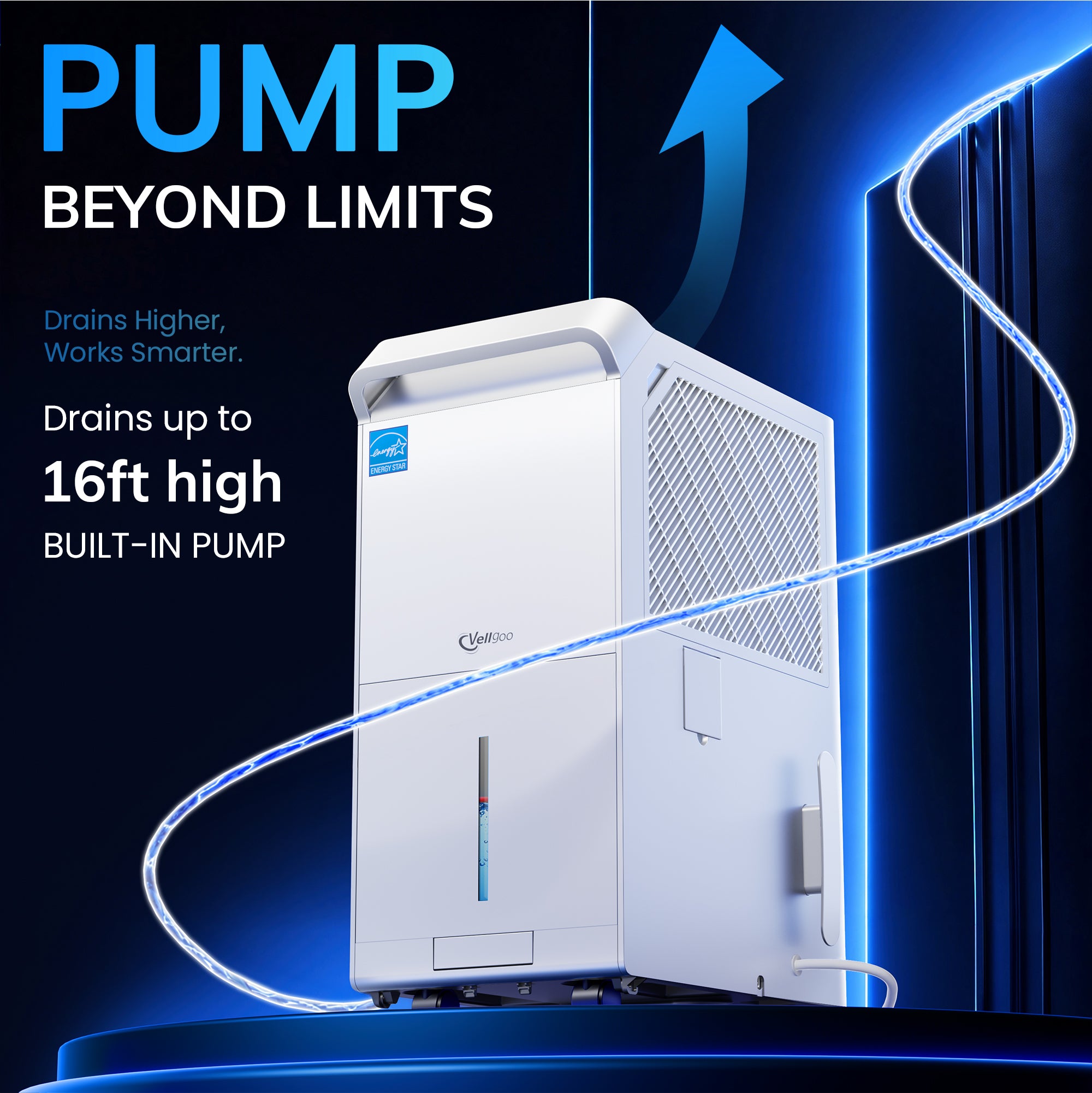
For whole-home and basement humidity control, explore Vellgoo Dehumidifier Collection, designed for high-efficiency moisture removal across different room sizes and conditions.
FAQ
Is 70% humidity too high indoors?
Yes. Above 70% humidity significantly increases mold growth, dust mites, and structural damage risk.
Can high humidity make you sick?
Yes. High humidity can worsen asthma, allergies, and respiratory conditions due to increased mold and bacteria growth.
What humidity level is best for a home?
40%–60% is the ideal indoor humidity range for comfort and health.
Do fans reduce humidity?
No. Fans only circulate air; they do not remove moisture from the air.