
As summer arrives, so does the sweltering heat and the inevitable rise in moisture levels. A sticky house isn’t just uncomfortable; it can lead to health issues and damage your property. Understanding how to reduce humidity;is essential for maintaining a cool, fresh, and healthy living environment.
1. What Causes High Humidity in Summer?
The primary driver of summer humidity is the science of warm air. Warmer air has the capacity to hold more water vapor than cold air. When the outdoor temperature spikes, the air absorbs moisture from the ground, bodies of water, and vegetation. This moisture finds its way into your home through open windows, doors, and tiny cracks in the foundation, leading to high humidity in house environments.
2. Signs Your Home Has Too Much Humidity
- Sticky floors or walls: That unpleasant feeling when your skin or feet cling to surfaces.
- Musty smells: A signature sign of stagnant moisture and potential fungal growth.
- Condensation on windows: Water droplets forming on the inside of glass panes.
- Mold spots: Dark spots appearing in corners, ceilings, or behind furniture.
- Damp basement: A heavy, cool, and wet atmosphere in lower levels.
- Allergies getting worse: Dust mites and mold thrive in moisture, triggering sneezing and itching.
- Bedding feeling damp: Sheets that never feel quite dry or crisp.

3. How to Reduce Humidity in Your Home During Summer
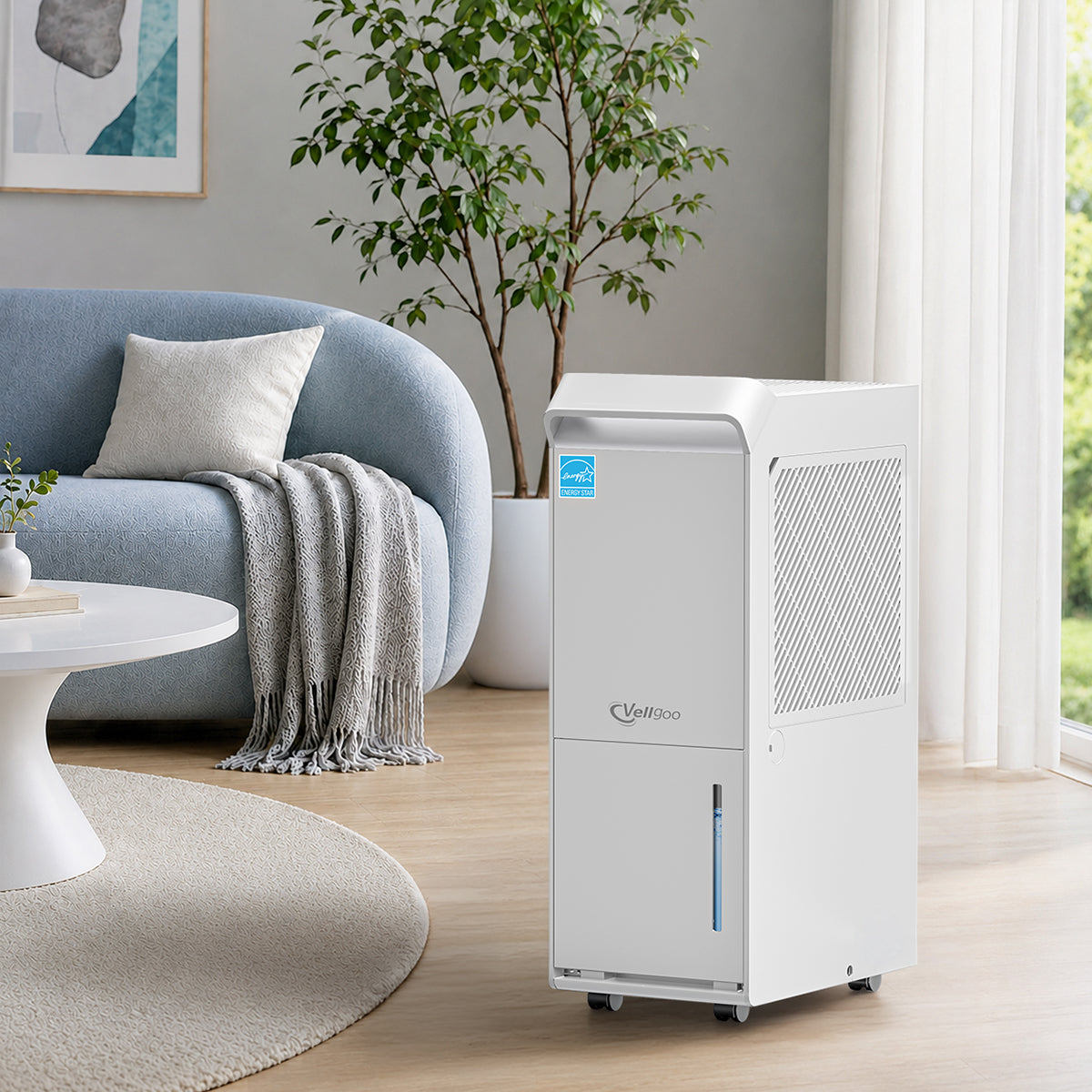
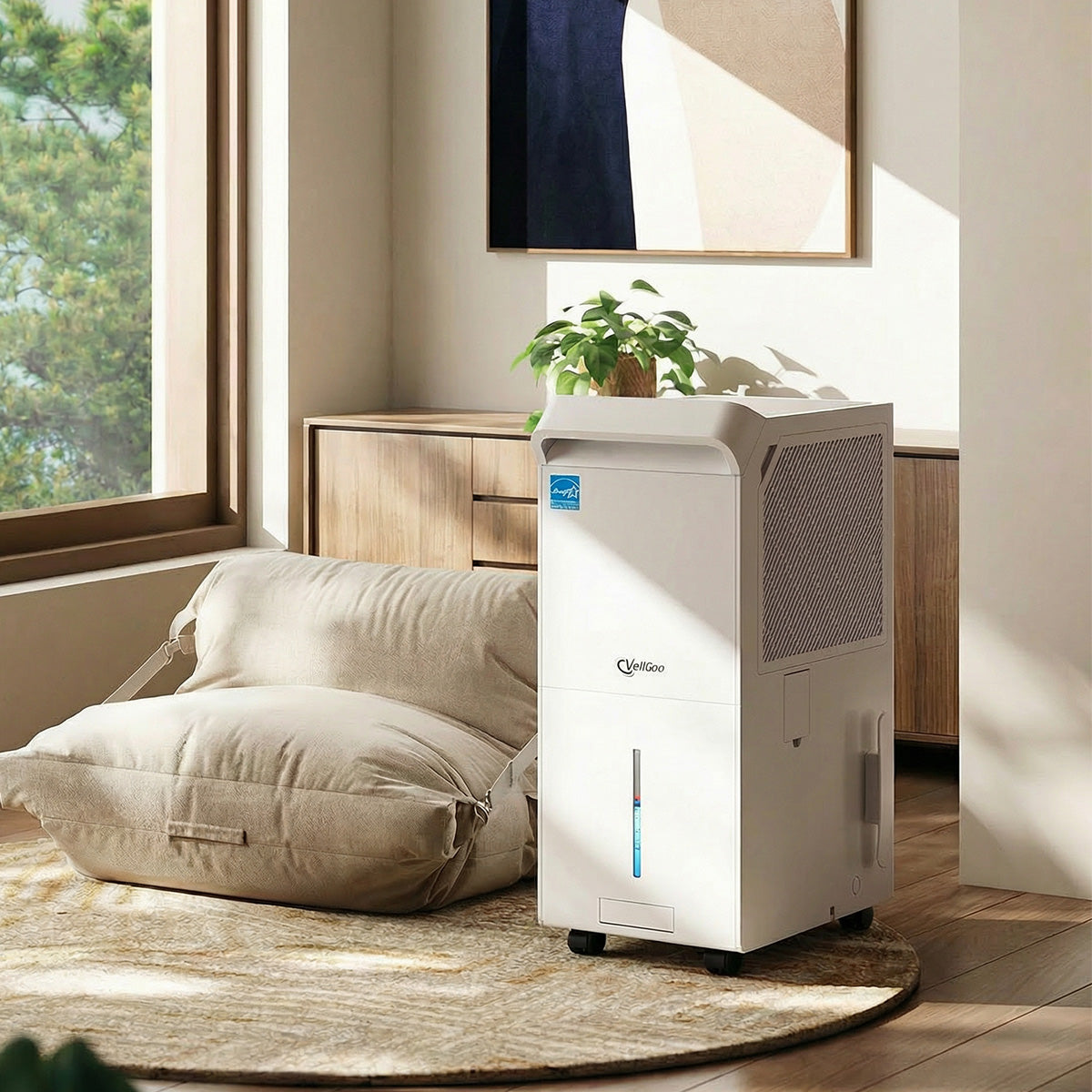
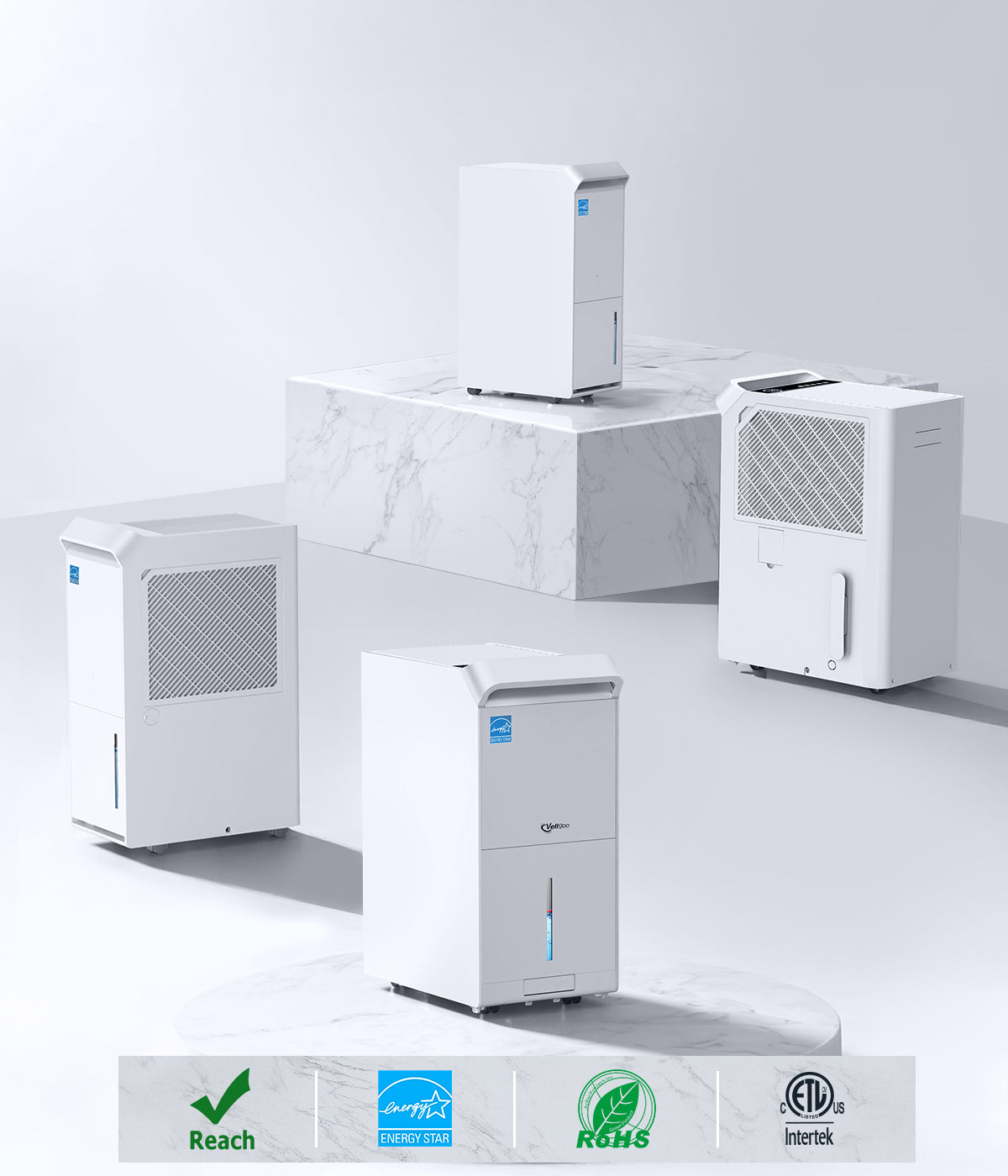
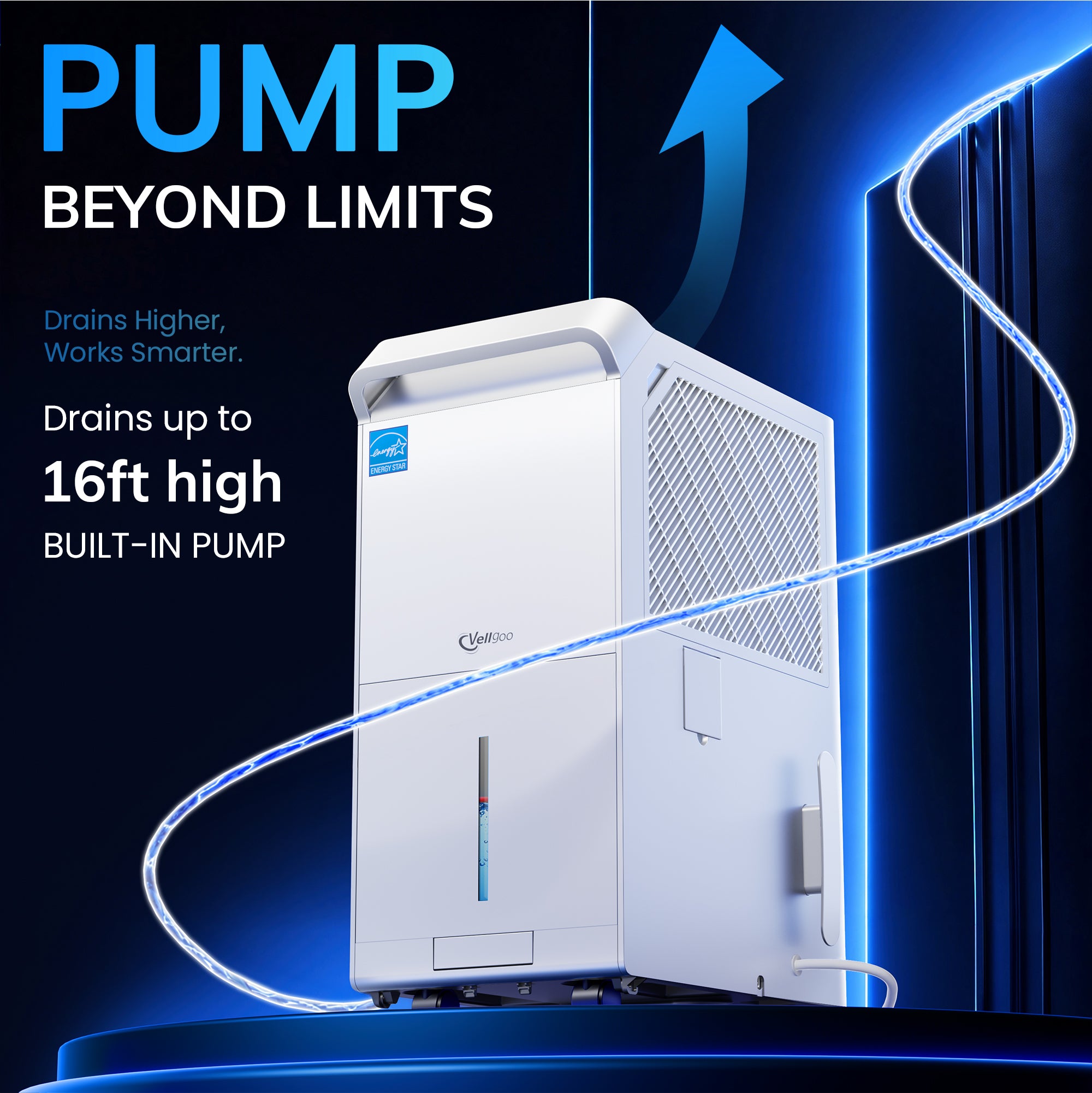
While ventilation helps, the most effective way to reduce humidity consistently is by using a high-quality dehumidifier. Vellgoo dehumidifiers are specifically designed to pull gallons of excess moisture from the air daily, maintaining the ideal 45%-55% relative humidity level that prevents mold growth and keeps your skin feeling comfortable.
4. Dehumidifier vs Air Conditioner: Which Works Better?
| Feature | Dehumidifier | Air Conditioner (AC) |
| Primary Purpose | Removing moisture from the air | Cooling the air temperature |
| Humidity Control | Primary function (highly precise) | Secondary function (less precise) |
| Energy Efficiency | Lower energy consumption for drying | High energy consumption |
| Best Use Case | Humid, rainy, or muggy days | Extreme heat days |
| Portability | Portable (can move room to room) | Fixed in place |
5. Best Rooms to Use a Dehumidifier
- Basement: The most common area for moisture to accumulate due to lack of airflow.
- Bedroom: Ensures a dry, cool sleep environment and prevents dust mites in bedding
- Bathroom: Perfect for removing steam after showers to prevent mold on grout.
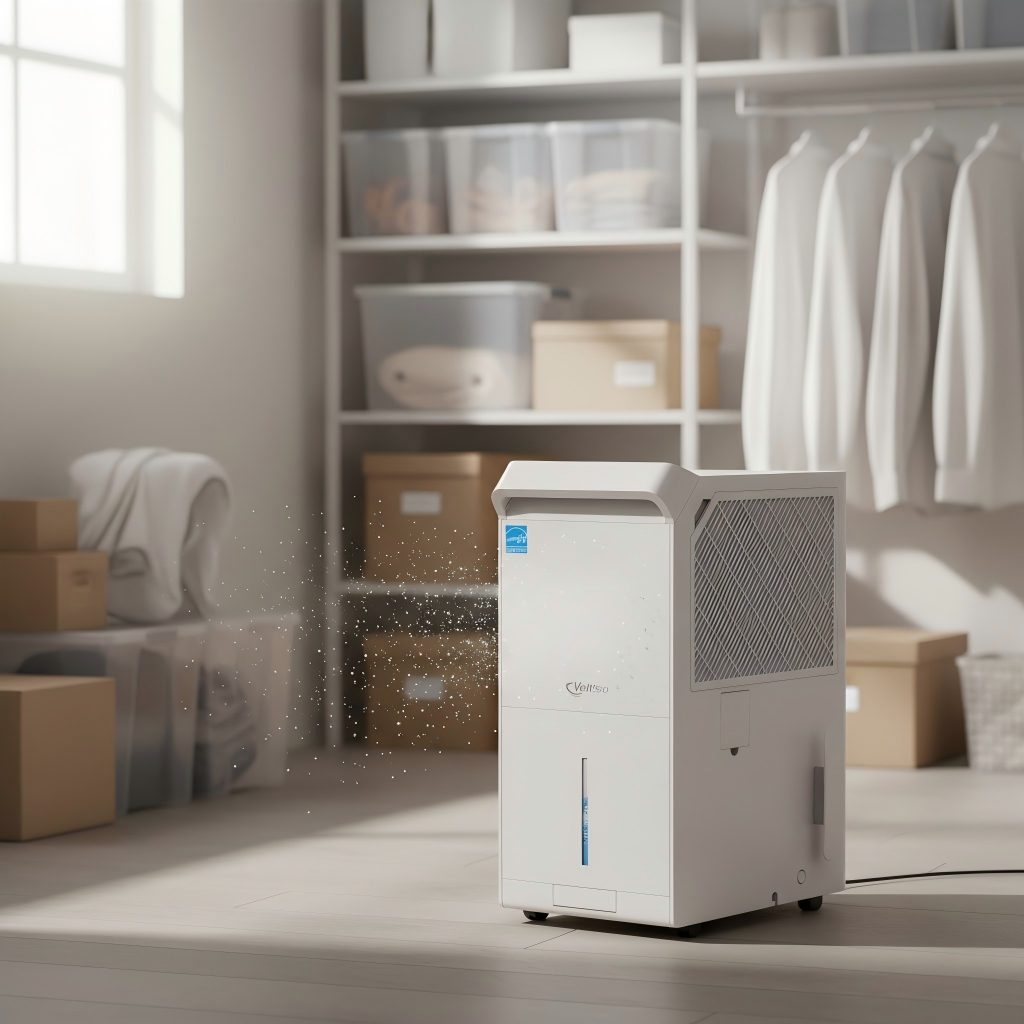
- Garage: Protects tools, cars, and storage boxes from rust and dampness.